
The Art of the Perfect Picnic: Wrapped in Cloth, Sourced at the Market
There is a distinct sense of magic in preparing for a picnic that does not start with plastic bags, overfilled totes, or the anxious realisation that an essential item, such as the corkscrew, has been forgotten. Instead, it begins with a simple square of cloth.
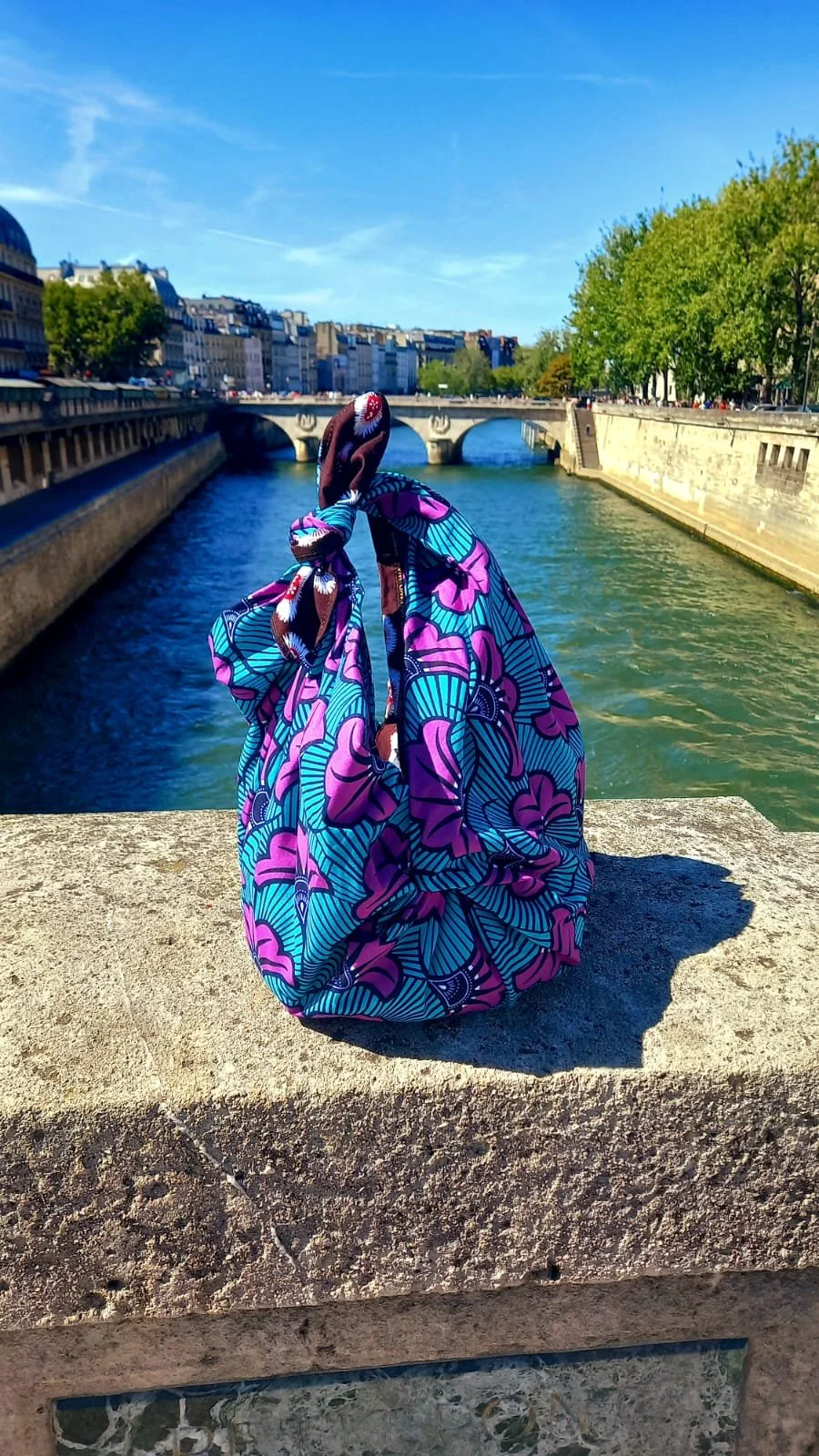
At first glance, a furoshiki appears deceptively simple: merely a piece of fabric. However, with use, it becomes a subtle act of resistance to excess and the notion that additional possessions are necessary for carrying belongings. When folded and knotted properly, it transforms into a bag, a wrap, a bottle carrier, or a bundle that secures not only your food but also the atmosphere of the day.
Now pair that with a morning at the farmers' market.
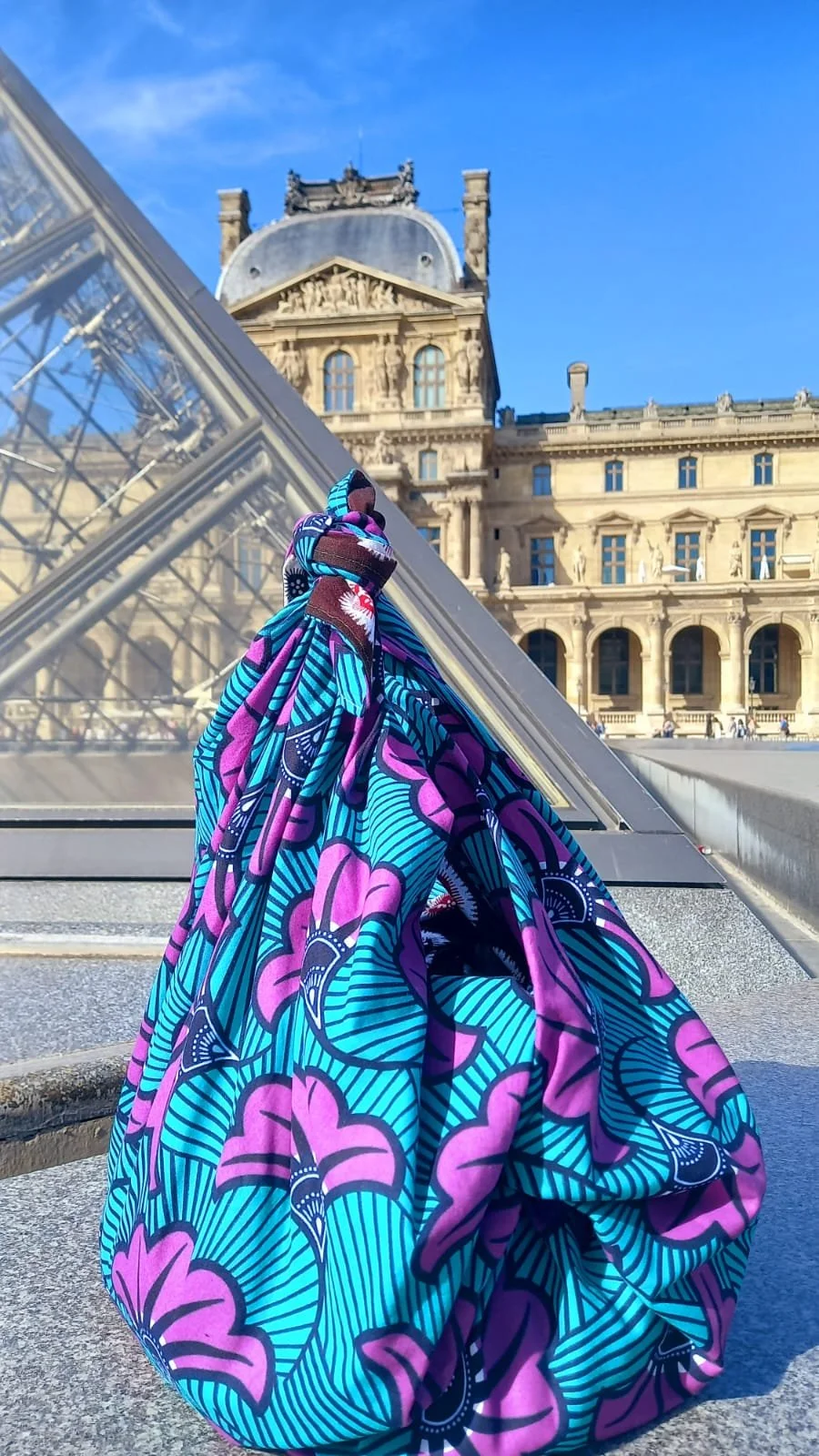
You wander in without a rigid plan, which is the only way to do it. The air smells like bread that hasn’t even fully cooled yet. There are strawberries that look like they’ve been edited for colour saturation, bunches of herbs still damp with earth, and cheeses that ask for just a little bit of trust. This is where the picnic begins—not later in the park, but here, in the choosing.
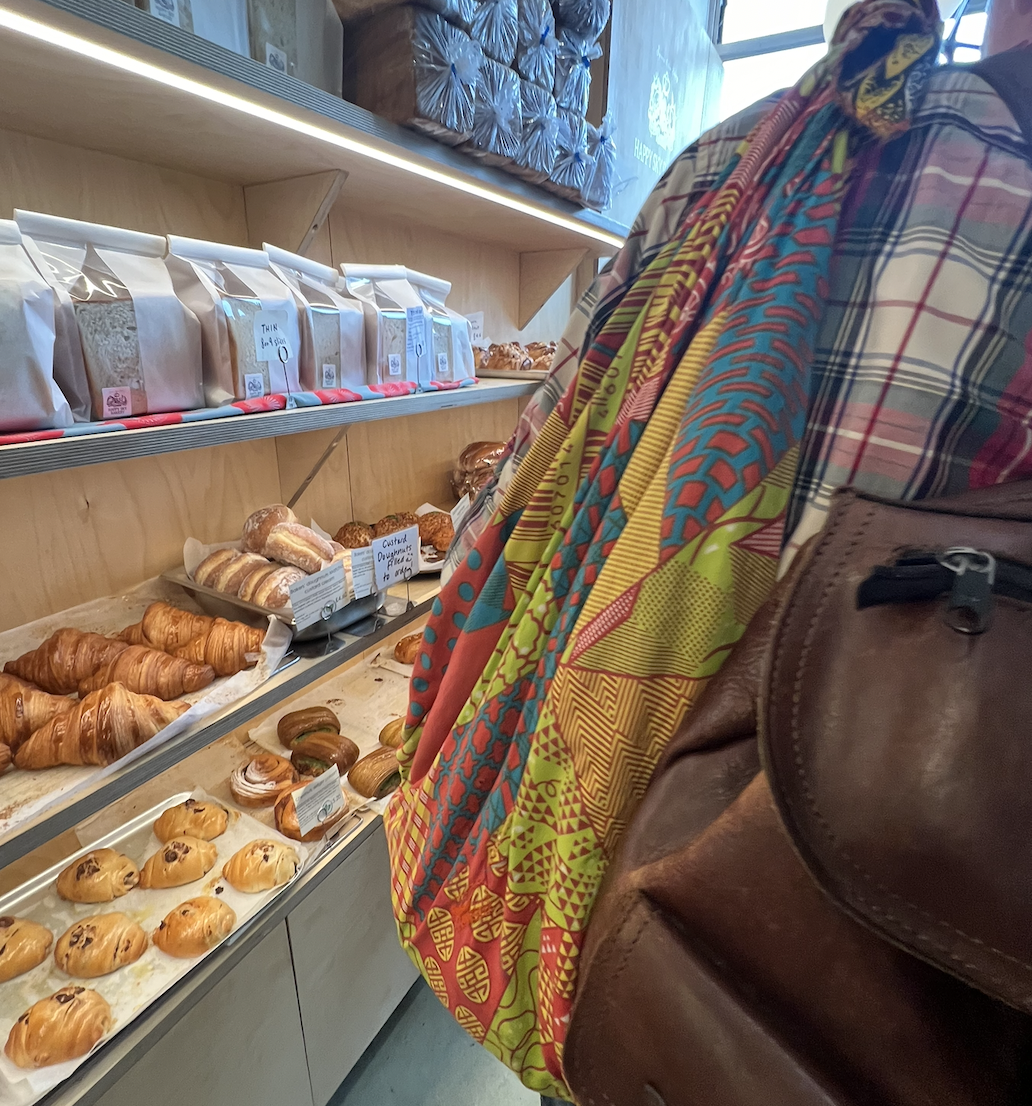
The appeal of using a furoshiki lies in its ability to alter one’s approach to shopping. Considerations shift toward shapes and balance: a loaf of bread forms the bundle’s core, a chilled bottle anchors a corner, and delicate items such as peaches or pastries are carefully nestled within the folds. Cheese is wrapped securely, enhancing both protection and presentation. This method is not only practical but also unexpectedly satisfying, akin to solving a small, edible puzzle.
And because space is finite, you curate. You don’t overbuy. You pick things that work together: something crisp, something creamy, something sweet, something that demands to be eaten immediately. The constraint becomes the point. It sharpens your instincts.
By the end, everything fits not perfectly, but with intention. The cloth is knotted and lifted by its corners, resulting in a picnic that feels unexpectedly light.
The most rewarding moment follows: the reveal.You find a patch of grass that feels right, no overthinking it. The furoshiki opens up and becomes part of the setting, sometimes even doubling as your picnic cloth if you’ve packed cleverly. Each fold undone is a small moment of anticipation. What did we bring again? Oh, right—that cheese. Those berries. That bread.
This process feels inherently human. There is no packaging to manage and no waste accumulating nearby. The food is arranged in a manner that appears almost ceremonial, despite its improvised nature.
And when it’s over? The same cloth gathers everything back up—crumbs shaken out, leftovers tucked in—and you’re on your way again. No trash bag. No clutter. Just the quiet satisfaction of having needed less.
It’s not about being minimalist for the sake of it. It’s about rediscovering a kind of elegance in simplicity. A picnic that starts at the market, lives in a piece of cloth, and unfolds exactly where you want it to.
All of it, held together by a few good knots.