
Why Wrap with Furoshiki?
More Than Wrapping—A Tradition of Thoughtfulness, Respect, and Sustainability
In a world increasingly defined by convenience, speed, and disposability, there is something quietly revolutionary about taking a simple square of cloth and transforming it into a gift presentation that speaks of care, artistry, and intention. This is the enduring beauty of Furoshiki.
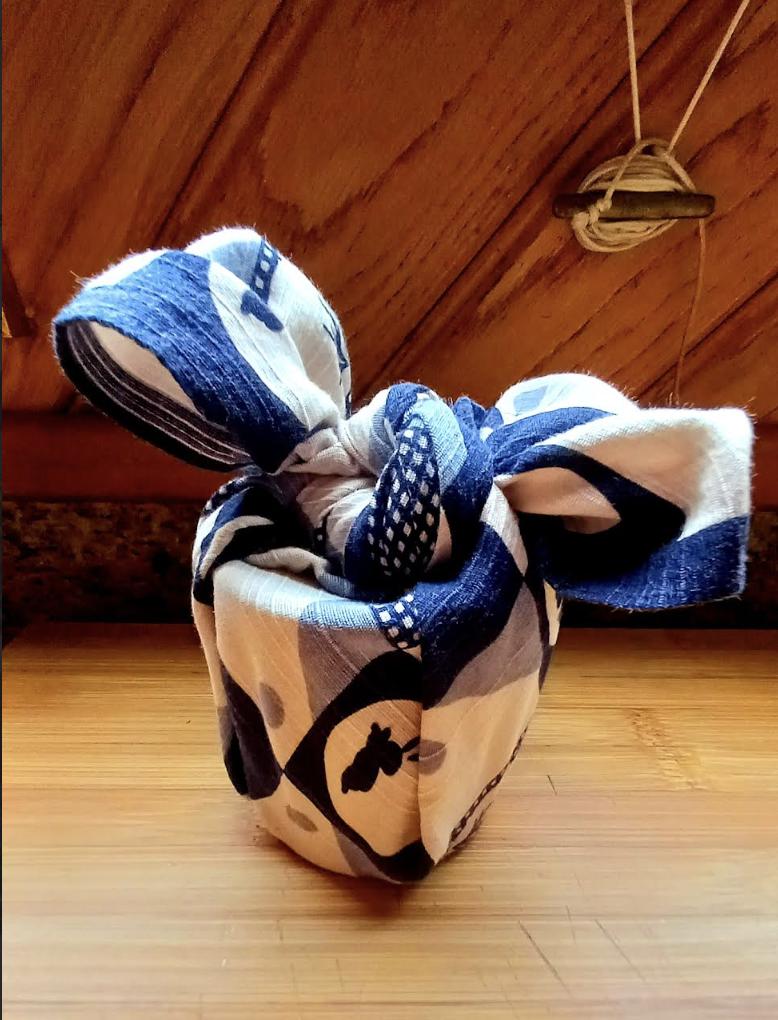
For centuries in Japan, Furoshiki has been used to wrap, carry, protect, and present treasured items. While its practical origins can be traced back hundreds of years, its relevance today feels more important than ever. At first glance, Furoshiki may appear to be merely an alternative to paper gift wrap. Yet to describe it solely as wrapping would be to overlook its deeper significance. Furoshiki is not simply a method of packaging; it is a philosophy. It embodies thoughtfulness, respect for the recipient, appreciation of beauty, and a commitment to sustainability.
The question, therefore, is not simply how to wrap with Furoshiki, but why.
The answer lies in the remarkable way a single piece of fabric can transform the act of giving into something meaningful and memorable.
The Art of Presentation
Long before a gift is opened, its presentation creates an emotional experience. The first impression of a gift is often formed not by the object itself but by the care taken in presenting it.
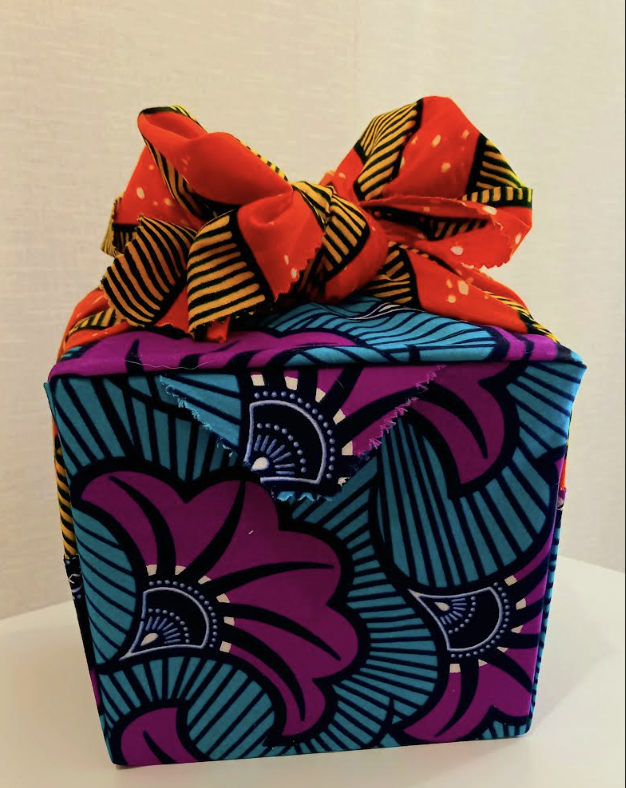
Furoshiki elevates wrapping into an art form. Through carefully arranged folds, elegant knots, and thoughtfully chosen fabrics, each wrapped gift becomes a unique artistic expression. No two Furoshiki wraps are ever exactly alike. The fabric responds to the shape of the object, creating sculptural forms that feel organic and alive.
Patterns, textures, and colours become part of the story. A vibrant floral cloth may celebrate joy and abundance. A subtle geometric design may convey sophistication and harmony. Seasonal motifs can reflect the changing rhythms of nature, while handmade fabrics add an additional layer of personal connection.
Unlike disposable wrapping paper, which is often discarded moments after being admired, a Furoshiki wrap remains part of the gift itself. The beauty is not fleeting; it continues to be appreciated, reused, and reimagined.
In this way, Furoshiki invites us to view presentation not as an afterthought but as an integral part of the gift-giving experience.
A Language of Thoughtfulness
At its heart, Furoshiki is an expression of consideration.
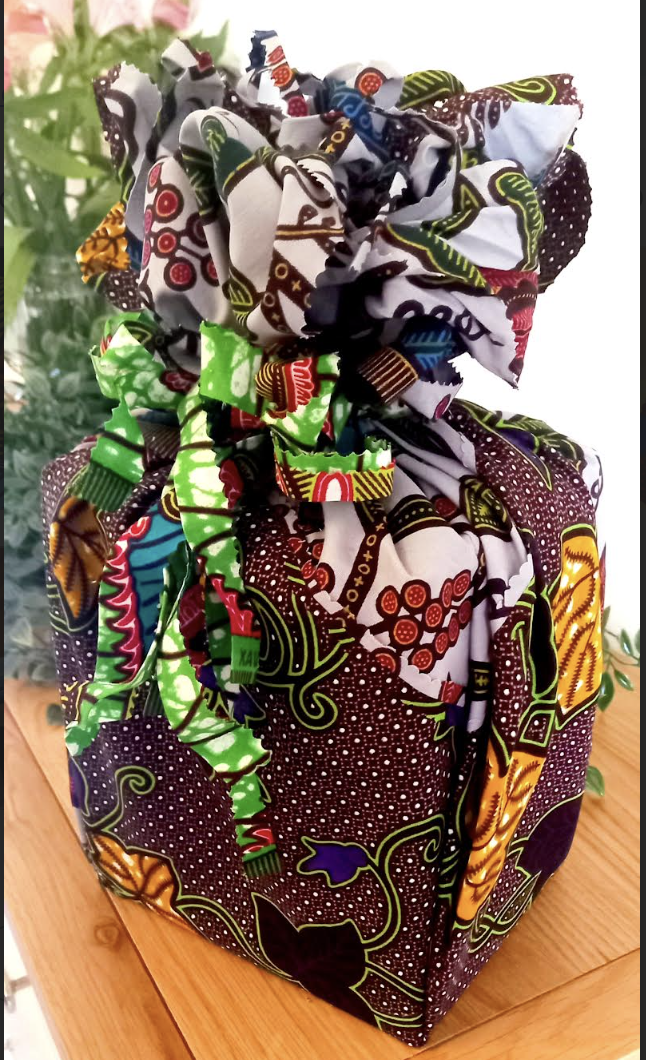
Every aspect of the wrapping process requires mindful choices. The size of the cloth must complement the item. The colours and patterns should reflect the recipient's personality, tastes, or the occasion being celebrated. The folds must be adjusted carefully to suit the shape of the gift.
This deliberate attention transforms wrapping from a routine task into an act of reflection.
The recipient immediately recognises this effort. A gift wrapped in Furoshiki communicates a message that cannot easily be replicated by mass-produced packaging. It says, "I took the time to prepare this especially for you."
In many cultures, the act of giving carries as much importance as the gift itself. Furoshiki honours this tradition by placing equal value on presentation, intention, and meaning. The cloth becomes a visible expression of gratitude, friendship, love, or celebration.
It is a reminder that generosity is not measured solely by what we give, but by the care with which we give it.
Respect for the Recipient
Traditional Japanese aesthetics place great emphasis on respect and harmony. These principles are woven deeply into the practice of Furoshiki.
When a gift is wrapped in cloth, it is protected and honoured. The object is concealed, creating a sense of anticipation while also demonstrating discretion and modesty. Rather than drawing attention immediately to the contents, Furoshiki encourages appreciation of the entire experience of receiving.
The untying of the knots becomes a gentle ritual. There is no tearing, ripping, or destruction. Instead, the gift is revealed gradually through a process that feels calm and intentional.
This simple act reflects a deeper respect for both the recipient and the object itself. Nothing is wasted. Nothing is hurried.
In a society where so much is consumed quickly and forgotten, Furoshiki offers a refreshing alternative—one that encourages presence, appreciation, and mindfulness
Sustainability Through Reuse
Perhaps one of the most compelling reasons to embrace Furoshiki today is its environmental impact.
Traditional gift wrap often has a very short lifespan. Paper is purchased, used once, and discarded within minutes. Decorative ribbons, plastic coatings, adhesive tapes, and metallic embellishments frequently prevent recycling, contributing to unnecessary waste.
Furoshiki challenges this cycle entirely.
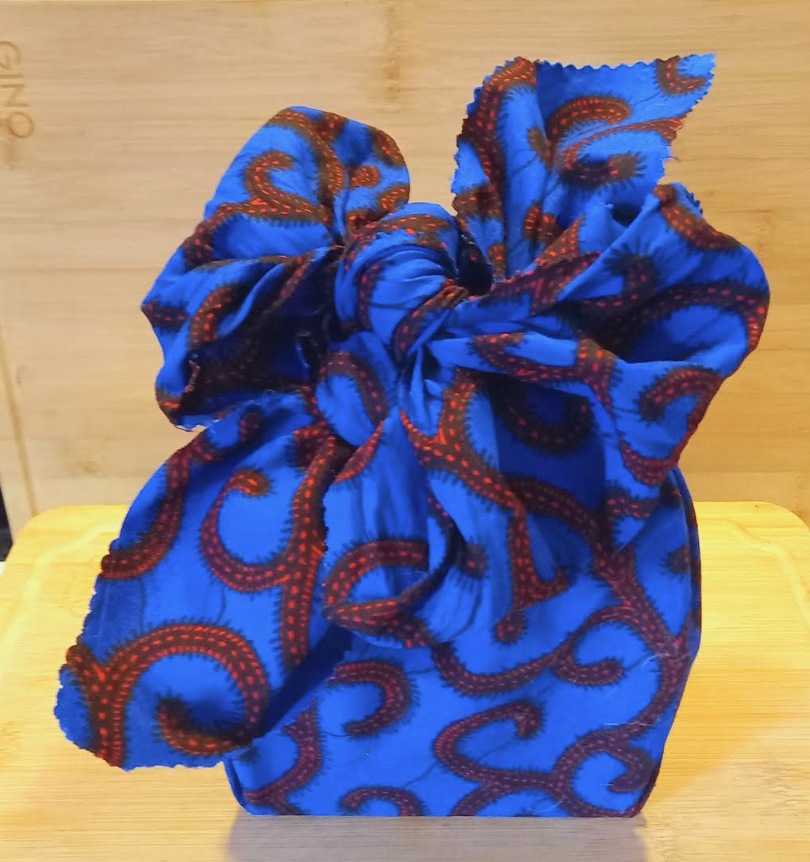
A single cloth can be used hundreds of times over many years. Once a gift has been opened, the fabric can be reused as wrapping for another gift, transformed into a bag, employed as a table decoration, or treasured as a keepsake.
This principle of reuse reflects a profound respect for resources. Instead of viewing materials as disposable, Furoshiki encourages us to see lasting value in everyday objects.
Sustainability is often discussed in terms of sacrifice or limitation. Furoshiki demonstrates that environmental responsibility can also be beautiful. It allows us to reduce waste without compromising elegance or creativity.
Indeed, it achieves the rare balance of being both practical and poetic.
Creativity Without Limits
One of the greatest joys of Furoshiki is its versatility.
A single square of fabric can wrap books, bottles, boxes, flowers, clothing, and countless other objects. Different knotting techniques create entirely different visual effects. What begins as a flat piece of cloth becomes a three-dimensional artwork shaped by imagination and skill.
This adaptability encourages creative exploration.
Many practitioners find that Furoshiki becomes more than a wrapping method; it becomes a creative hobby. They collect fabrics, experiment with patterns, and develop their own signature styles. Each project presents a new opportunity to combine colour, texture, and form.
The process itself can be deeply satisfying. In an age dominated by digital experiences, the tactile nature of folding and knotting fabric reconnects us with the pleasure of making something by hand.
Every fold becomes a small act of creativity..
A Connection to Tradition
Practising Furoshiki also offers a meaningful connection to history and cultural heritage.
For generations, people have used cloth to carry and protect their belongings. The techniques developed over centuries reflect practical wisdom, artistic refinement, and an enduring appreciation for craftsmanship.
By learning Furoshiki, we participate in a living tradition that continues to evolve while maintaining its core values. We become part of a story that stretches across time, connecting past and present through a shared respect for beauty and utility.
This continuity carries particular significance in modern life, where traditions can easily be overshadowed by disposable trends. Furoshiki reminds us that some practices endure because they address timeless human needs: the desire to create beauty, to show respect, and to care for our environment.
More Than a Gift Wrap
Ultimately, Furoshiki is far more than a wrapping technique.
It is a celebration of thoughtful giving. It is a canvas for artistic expression. It is a practical commitment to sustainability. It is a gesture of respect toward both people and the planet.
When we wrap with Furoshiki, we slow down. We consider the recipient. We appreciate the materials in our hands. We transform a simple exchange into a meaningful experience.
The cloth itself becomes part of the gift—a symbol of continuity, reuse, and connection. Long after the contents have been enjoyed, the Furoshiki remains, ready to begin another journey.
So why wrap with Furoshiki?
Because it reminds us that beauty and responsibility can coexist.
Because it transforms ordinary moments into memorable ones.
Because it honours both tradition and innovation.
And because, in the simplest square of fabric, we discover something far greater than wrapping: a tradition of thoughtfulness, respect, and sustainability that enriches the lives of not only the recipient of a Furoshiki wrapped gift, but also the person giving the gift.